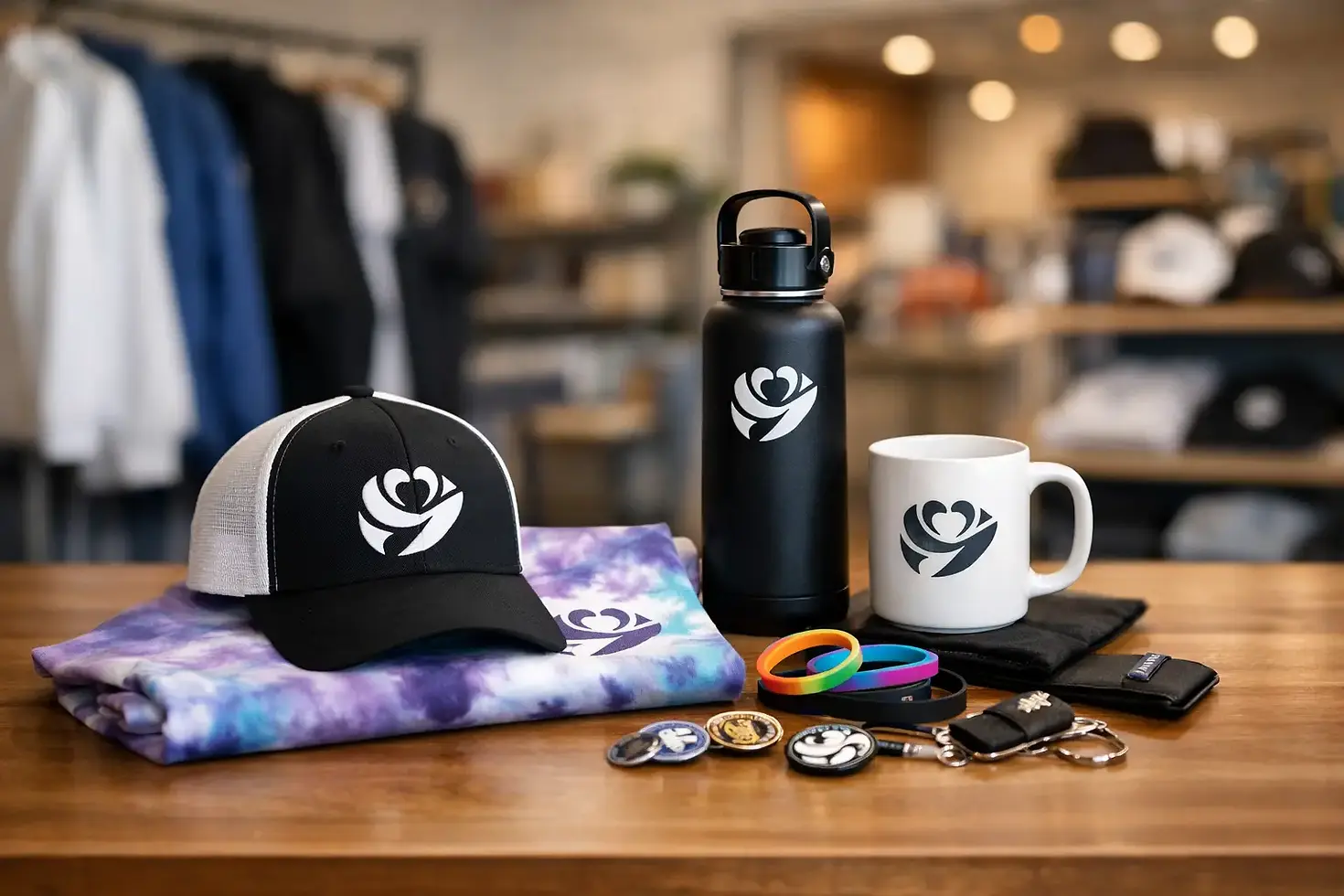
What the J-HUG Merchandise Store Stands For
- jhug80
- Jul 17
- 5 min read
A record can take you back to a room in seconds: the lights low, the bass warm, hands in the air and a melody that refuses to leave your head. The J-HUG merchandise store is built around that feeling. It is a place for people who do not just listen to house music, but carry its memories, optimism and rhythm with them long after the last track fades.
For J-HUG, merchandise is not an afterthought or a logo placed on whatever happens to be available. It is another expression of the music: rooted in Manchester, touched by Ibiza, and made for those who still believe a great house record can change the temperature of a room.
More Than a Name on a T-Shirt
The strongest music merchandise has always meant something beyond the garment itself. Think of the old club flyers saved in drawers, the records with worn sleeves, the T-shirts that quietly told another person on the train that you might share the same musical language. Those objects hold a connection to a night, a friend, a particular sound system or a period when the music felt like it belonged entirely to you.
That is the spirit behind the J-HUG merchandise store. It should feel recognisable to people who understand the emotional pull of late 1980s and 1990s dance culture, without becoming a costume version of the past. House music has heritage, but it is not a museum piece. The feeling that made the Haçienda matter - freedom, togetherness, possibility and a complete surrender to the rhythm - still has a place now.
A piece of J-HUG merchandise is therefore about affiliation, but not in a loud or forced way. It is a small signal that melody matters, that uplifting music has depth, and that club culture is more than a trend cycle.
Manchester in the Fabric
Manchester has never needed to shout about its musical identity. It is there in the buildings, the weather, the independent spirit and the way people speak about the nights that shaped them. The city’s club and recording history carries real weight because it was lived, not designed as a backdrop.
J-HUG comes from that lineage with genuine personal ties to the studio and club culture that helped define an era. That history gives the merchandise its point of view. It is not about borrowing the visual language of dance music simply because it looks good on a social feed. It is about respecting the people, places and records that made the culture feel so vital in the first place.
There is a balance to protect here. Lean too hard into nostalgia and the result can feel frozen in time. Ignore the roots and the identity becomes generic. The most meaningful designs sit in the middle: they acknowledge the past while making sense in the present. They should feel right at a day party, on a late-night walk home, in a studio, or at a festival when the first proper piano line lands.
Wearable connection, not disposable branding
People who care about music tend to notice quality. They can tell when something has been made with thought and when it has merely been produced to fill a page. A good merchandise piece earns its place in a wardrobe because it works away from the dancefloor too.
That does not always mean the boldest graphic is the best choice. Sometimes a considered detail, a confident type treatment or a reference understood by those who know is more powerful than a design that says everything at once. The aim is not to turn every supporter into a billboard. It is to make something they will genuinely want to wear.
This matters especially in house music, where identity has often been built through shared taste rather than obvious labels. You hear a track, recognise a groove or spot a familiar visual cue, and the conversation begins. Merchandise can do the same thing. It can create a moment of recognition between strangers who have both felt the release of a proper vocal, a rolling bassline or a sunset set that seemed to last forever.
Why Music Merchandise Still Matters
Streaming has made music immediate, abundant and easy to carry. That is a gift, but it can also make the relationship with a release feel fleeting. A physical item restores a little ceremony. It gives the listener something tangible that says: this artist, this sound and this memory are worth holding on to.
For fans, buying merchandise can be a direct way of supporting independent music. Behind every release is time spent writing, producing, refining and sharing the work with the world. Independent artists do not have the distance of a major-label machine. The connection is closer, more personal and often more meaningful because supporters know their contribution helps keep the creative work moving.
For the artist, that connection is just as valuable. It turns passive listening into a visible community. It brings the music into everyday life and allows the people who connect with it to become part of its continuing story. A track might begin in a Manchester studio, but it only fully comes alive when someone else hears their own memory in it.
The J-HUG Merchandise Store and the Feeling Behind It
Where emotion meets melody and nostalgia meets rhythm, there is room for merchandise that carries the same energy. The J-HUG merchandise store belongs in that space. Its purpose is to extend the world around the music without distracting from what matters most: the records, the feeling and the people who respond to both.
The right piece can mark a moment. Perhaps it is connected to a release that got you through a difficult winter, a DJ set that brought old friends together, or a renewed love for the house records that first made you want to move. Music has a way of attaching itself to personal landmarks. Merchandise can become the physical reminder.
It also offers a different kind of access for listeners who may never have stood in the same club or experienced the original era first-hand. Younger fans do not need to have been at the Haçienda to understand why the music still resonates. They can hear the joy in the chords, the warmth in the production and the optimism in the groove. Heritage is most alive when it is passed on, not guarded.
Choosing pieces with purpose
The best way to approach music merchandise is simple: choose the pieces that feel like they belong to your life. A design may speak to your connection with Manchester. Another may recall Ibiza mornings, packed rooms or the particular comfort of a favourite house record at home. There is no correct way to wear that connection.
It is also worth resisting the pressure to treat every item as a collector’s object. Some pieces will be kept pristine, and that is part of their appeal. Others should be worn until they become familiar: washed, travelled in, danced in and tied to new memories. Both choices are valid. What counts is that the item means something to the person who owns it.
Keep the Feeling Moving
House music has survived because it has always carried more than a beat. It carries release after a hard week, the confidence to step onto a dancefloor, a shared smile when the right record comes in and the sense that, for a few hours, everyone in the room understands one another.
That is the standard any J-HUG merchandise should meet. It should feel honest, considered and connected to the music’s roots, while leaving space for new stories to be made. Wear what takes you back. Wear what keeps you moving. Most of all, keep the feeling alive.


Comments