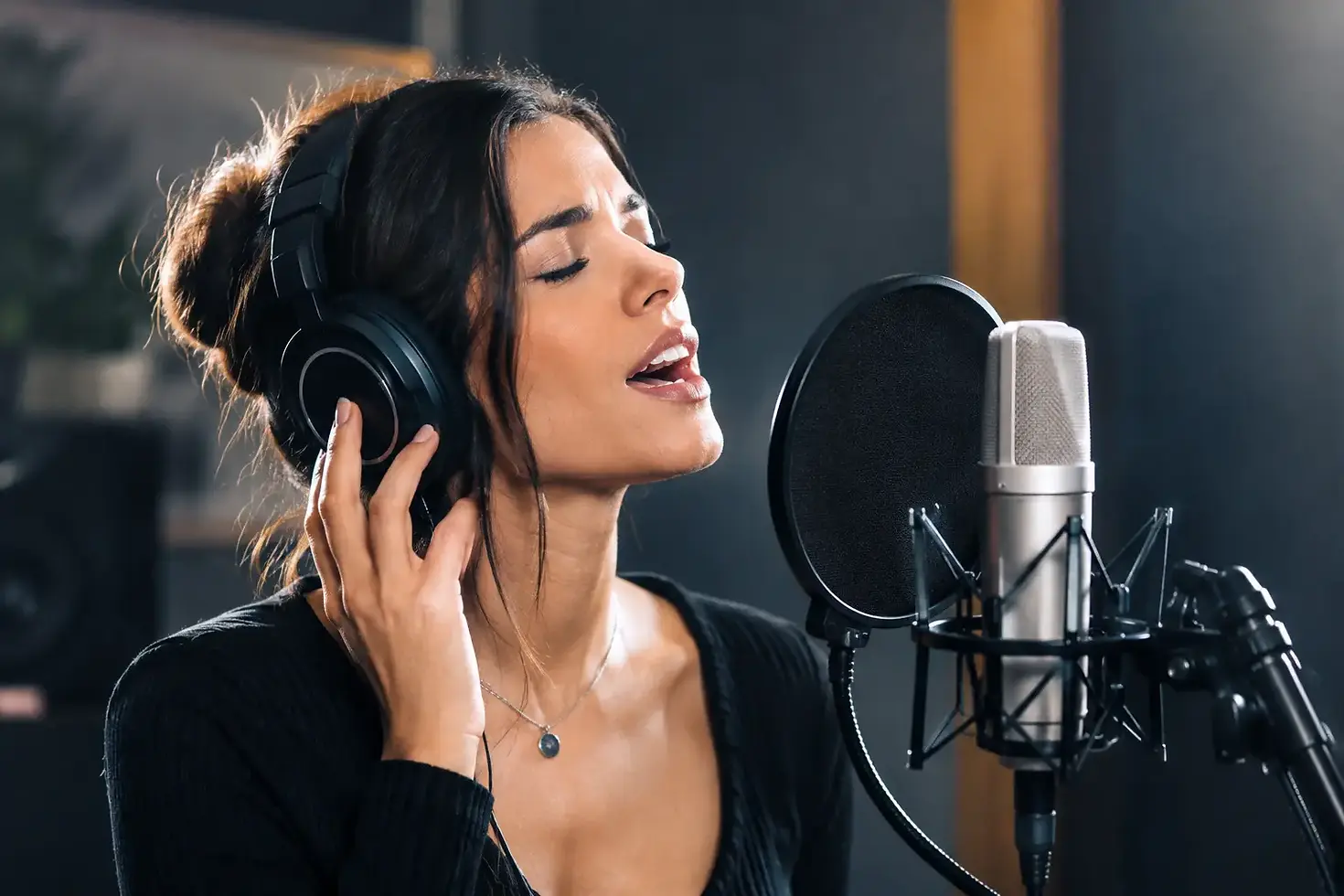
How to Record Club Vocals That Move the Floor
A club vocal has to do more than sit neatly on top of a beat. It needs to cut through a busy room, carry emotion above the kick drum, and still feel human when the lights come up at 4am. That is the real answer to how to record club vocals: capture a performance with enough character to survive the pressure of the dancefloor.
For house music, the voice is often the moment people remember. It might be one line repeated until it becomes a shared release, a soulful phrase that turns a groove into a record, or a spoken hook that gives a track its identity. The production can be polished later. Feeling cannot be edited into a lifeless take.
Start with the track’s emotional centre
Before placing a microphone anywhere, decide what the vocal is meant to do. Is it a hands-in-the-air chorus? A late-night confession? A tough, stripped-back command over a rolling bassline? The best club vocals have a clear job.
Classic house records understood this instinctively. A short lyric could hold a whole room because the singer delivered it with belief, space and rhythm. Do not write a page of words simply because there is room in the arrangement. In a club, the listener is moving, talking, sweating and responding to the groove. Give them a phrase they can feel quickly.
Test the lyric over the instrumental before the session. If the vocal fights the chord progression, sits awkwardly against the bass, or needs excessive tuning to reach the notes, change the key or rewrite the melody. A singer working within a natural range will give you tone, confidence and those small imperfections that make a line memorable.
Build a recording space that feels focused
You do not need a grand commercial room to make an effective vocal recording, but you do need control. A bare bedroom can add harsh reflections that make the voice sound brittle. A heavily treated booth can sometimes remove too much life. The aim is a dry, honest capture that leaves you free to create atmosphere later.
Use absorption behind and around the singer where possible. Thick curtains, acoustic panels, duvets on stands and a rug can all reduce troublesome reflections. Keep the microphone away from corners and avoid recording directly into a wall. If the room has a nice natural character, you may use it for a distant or backing-vocal layer, but keep the lead vocal controlled.
Headphones matter as much as the mic. The vocalist needs to hear the beat clearly without turning it up so far that it spills into the recording. Give them a cue mix with enough kick, bass and musical context to lock into the track. Some singers want a little reverb in their headphones because it helps them perform. That is fine, provided you record the lead vocal dry.
Choose the microphone for the voice, not the price tag
A large-diaphragm condenser is a familiar starting point for house vocals because it can capture detail, air and intimacy. Yet it is not automatically the right choice. A dynamic microphone may be better for a powerful singer, a lively room or a vocal that needs a more immediate, forward sound.
The useful question is not which microphone is considered best. Ask which one makes this singer sound believable over this record. Try two or three options if you can, recording the same chorus through each. Listen back in the context of the mix rather than soloed. The expensive microphone that sounds silky on its own may disappear once the hi-hats, piano stabs and percussion arrive.
Use a pop shield and place the singer roughly a hand span from the microphone. Move them closer for warmth and intimacy, or slightly further back for a more open, less bass-heavy tone. Encourage them to angle just off-axis on hard consonants rather than constantly stepping away from the mic. Small adjustments are easier to manage than a performance full of level jumps.
How to record club vocals with a performance-first approach
Technical preparation creates safety. It should never drain the session of energy. Set the recording level conservatively, leaving plenty of headroom for unexpected peaks. Digital clipping is rarely the kind of attitude a vocal needs.
Then record more takes than you think you need. Begin with a full run-through or two, without stopping for every imperfect word. A singer needs time to inhabit the lyric and trust the room. Often the take with the right emotion arrives after they have stopped trying to sound perfect.
Once the full takes are down, record focused passes. Work on the chorus, the hook and any line that carries the record. Ask for different shades rather than simply asking for another take. Try one more intimate, one more defiant, one with a smile in the voice, and one delivered as though the singer is addressing the back of a packed room.
Avoid over-directing every syllable. House music needs repetition, but each repeat should have a pulse. A tiny lift before the downbeat, a breath left in at the right moment, or a slight rasp on one word can give a looped phrase its soul. The most useful production note is often emotional: make it feel like you mean it.
Capture doubles, responses and moments of lift
A lead vocal alone may carry a deep or minimal record. For more uplifting house, doubles and backing parts can widen the emotional picture. Record real doubles rather than copying and nudging the lead take. The slight differences in timing and tone create movement that plug-ins struggle to imitate.
For a chorus, try a tight double, then a looser pair panned left and right. Add short response phrases where the arrangement has space. A whispered layer can bring intimacy; a group-style chant can make a hook feel communal. Do not layer every line. If everything is huge, nothing feels like the release.
It can also help to record a few ad-libs while the singer is relaxed. These are not filler. A well-placed breath, call-out or held note can transform a transition, especially before a drop. Keep them connected to the song’s language and feeling. Random vocal gymnastics can date a record quickly.
Edit for rhythm without sanding away the humanity
Club vocals must be rhythmically dependable, particularly when they sit against programmed drums. Comping the strongest phrases from several takes is normal practice. Choose the performance that communicates first, then address technical flaws. A technically exact line with no feeling is rarely the winner.
Tighten timing where it distracts, but do not grid every consonant into submission. A vocal can sit slightly behind the beat for warmth or push ahead for urgency. It depends on the groove. Listen to the relationship between the vocal, clap and bass rather than judging the waveform alone.
Pitch correction is equally useful when used with restraint. It can stabilise a strong take, help doubles blend and support a modern dance mix. Heavy tuning can be a deliberate sound too, especially for a stylised hook. But if the record is rooted in soulful house, leave enough natural movement for the singer to sound like a person, not a preset.
Mix for impact, then check it at club scale
A vocal that sounds enormous in headphones may be too thick once it meets a proper system. Start with corrective EQ: remove unnecessary low-end rumble, manage any harsh frequencies, and make room for the kick and bass. Compression should control the performance, not flatten it. Often two gentle stages of compression feel more musical than one aggressive processor.
Use ambience to place the voice in the world of the record. A short plate can add classic sheen, a timed delay can fill gaps between phrases, and a longer reverb can make a chorus feel euphoric. Automate effects so the intimate verses stay close, while key lines open into the room. This contrast is where emotion meets rhythm.
Check the vocal quietly, loudly and in mono. Listen on small speakers, headphones and, if possible, a club-capable system. The lead should remain understandable without being painfully bright. If it only works when it is far louder than everything else, revisit the arrangement. Sometimes the solution is removing a competing synth part, not adding more vocal processing.
A strong club vocal does not need to shout for attention. It needs to belong to the record so completely that, when the hook arrives, the room feels it has been waiting for that line all night. Record with care, leave room for character, and let the performance carry the memory home.



Comments